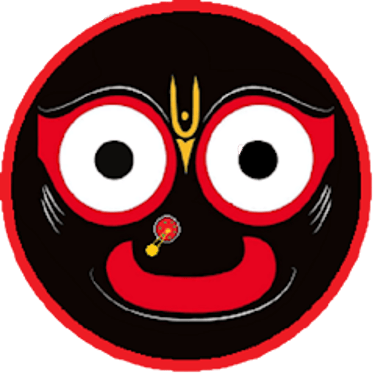
Shri Jagannath, Lord of the Universe (ଶ୍ରୀ ଜଗନ୍ନାଥ, ଜଗତର ନାଥ)
Click here to know more about Shri Jagannath. (ଶ୍ରୀଜଗନ୍ନାଥଙ୍କ ବିଷୟରେ ଜାଣିବା ପାଇଁ ଏଠାରେ କ୍ଲିକ୍ କରନ୍ତୁ।)
Bishwanath
English Version
Shri Jagannath
Shri Jagannath is one of the most unique, sacred and deeply revered forms of the Divine in Sanatan Dharma. He is lovingly worshipped in the holy city of Puri in Odisha, along with His elder brother Shri Balabhadra and sister Devi Subhadra. Together, the three deities form the divine Trinity of the Jagannath Temple. The name Jagannath means “Jagatara Natha” — the Lord of the Universe — and this sacred name truly reflects His universal, compassionate and all-encompassing nature.
Devotees across Odisha and the world address Him with deep love as Shri Jagannath Thakura, Jagatara Natha and the Lord of Shrikshetra. His presence fills the hearts of millions with faith, surrender and devotion.
Puri – The Sacred Abode of the Lord
Puri, also known as Shrikshetra, Purushottama Kshetra and Martya Vaikuntha, is one of the four most sacred pilgrimage centres (Char Dham) of India. The magnificent Jagannath Temple, built in the traditional Kalinga style of architecture, stands as the spiritual heart of Odisha.
Every year, millions of devotees from all over the world come to this holy land to receive the darshan of the Thakura and to take part in the many sacred festivals and rituals associated with Him. The very air of Puri is filled with the name of Jagannath, and the chant of “Jai Jagannath” echoes in every corner of the city.
The temple kitchen, known as the Rosaghara, is considered one of the largest of its kind in the world. The sacred tradition of Mahaprasad prepared here is famous throughout India and is regarded as a direct blessing of the Lord.
Daru Brahma – The Sacred Wooden Form of the Lord
What makes Shri Jagannath truly unique is that He is not made of stone or metal. He is known as Daru Brahma — the Supreme Divine in the form of sacred wood. The holy idols of Shri Jagannath, Shri Balabhadra, Devi Subhadra and Shri Sudarshan are carved from Neem wood (Daru).
This wooden form carries deep spiritual significance. It represents the profound truth that the Divine can manifest in any form and remains beyond the limitations of ordinary images. The large eyes, the distinctive appearance and the incomplete limbs of the Thakura are considered highly symbolic. Devotees believe that this form reveals the formless, infinite and all-pervading nature of the Lord.
In the tradition of Shrikshetra, the Daru form is not merely an idol — it is regarded as living and divine. The presence of the Thakura in this sacred wood fills the hearts of devotees with awe, love and deep reverence.
The Sacred Connection with Shri Krishna
According to traditional beliefs and sacred accounts found in the Puranas, Shri Jagannath is closely connected with Shri Krishna. After the conclusion of Shri Krishna’s earthly pastimes in Dwaraka, a divine portion is said to have reached the shores of Puri by the will of the Lord.
King Indradyumna, a great devotee, received divine instructions to establish the sacred form. With the help of the tribal devotee Biswabasu and under divine guidance, the holy wooden forms were created. In the tradition of devotees, Shri Jagannath is regarded as a compassionate manifestation of the same Divine who appeared as Shri Krishna, while Shri Balabhadra represents Balarama and Devi Subhadra represents their sister.
Thus, in Kali Yuga, the Lord has chosen this unique Daru form so that He may remain easily accessible to all devotees, without any distinction of caste, status or background, and bless them with His boundless grace.
Nabakalebara – The Sacred Renewal of the Divine Form
One of the most sacred, rare and awe-inspiring rituals of the Jagannath Temple is Nabakalebara. This holy ceremony involves the complete renewal of the wooden forms of the deities. It usually takes place once every 12 to 19 years, when a special astronomical combination (Adhimasa in the month of Asadha) occurs.
During Nabakalebara, new Neem trees are identified through special rituals and divine signs. The sacred wood is brought to the temple with great reverence, and new forms are carefully carved by designated servitors. The most confidential and sacred part of the ritual is the transfer of the Brahma Padartha (the divine essence) from the old forms to the new ones. This is performed only by select Sevayats in complete secrecy and with the highest devotion.
After the transfer, the old forms are given respectful samadhi within the temple premises. Nabakalebara reveals the eternal truth of the cycle of life and the unchanging nature of the Divine. The external form may change, but the Lord remains forever the same.
Mahaprasad – The Sacred Offering of the Thakura
The food offered to Shri Jagannath is known as Mahaprasad. It is prepared in the temple kitchen (Rosaghara) by traditional Suara sevayats using earthen pots placed over wood fires. A large variety of rice preparations, dals, vegetables, sweets and other sacred dishes are cooked and offered to the Thakura with complete devotion.
Once the offering is completed, it becomes Mahaprasad and is distributed among devotees. The most beautiful aspect of this tradition is that there is no distinction of caste or status — everyone receives and partakes of Mahaprasad together as equals in the presence of the Lord.
Both cooked Mahaprasad and Anukalpa (dry Mahaprasad) hold great religious importance. Devotees firmly believe that receiving Mahaprasad with faith purifies the mind and heart and brings the direct blessings of Shri Jagannath.
The Compassionate and Inclusive Nature of the Lord
One of the greatest glories of Shri Jagannath is His boundless inclusiveness and compassion. The Thakura is accessible to all. During the sacred Rath Yatra, He comes out of the temple onto the grand chariots so that even those who cannot enter the temple may receive His divine darshan. This act itself is a powerful expression of the Lord’s equality, love and compassion for every devotee.
The culture of Shri Jagannath has deeply influenced Odia literature, music, dance (especially Odissi), art, philosophy and social values for centuries. The simple yet profound greeting “Jai Jagannath” is used across Odisha as an expression of faith, respect and goodwill.
Sacred Festivals and the Living Tradition
Throughout the year, many sacred festivals are celebrated in Shrikshetra with great devotion. Rath Yatra, Snana Yatra, Chandan Yatra, Bahuda Yatra, Suna Besha, Niladri Bije and many other observances keep the spiritual atmosphere of Puri alive and vibrant. Each festival offers devotees a special opportunity to experience the grace and presence of the Thakura.
Conclusion
Shri Jagannath is not merely a deity of Puri — He is the living embodiment of Odisha’s spiritual identity and the eternal Jagatara Natha of countless devotees. Through His unique Daru Brahma form, His sacred connection with Shri Krishna, the profound ritual of Nabakalebara, and the divine tradition of Mahaprasad, He continues to inspire and bless millions of hearts.
In Shri Jagannath, devotees find a deeply compassionate Lord who accepts everyone, shares His sacred food with all, and comes among His people during Rath Yatra. This is why He is so deeply loved, worshipped and remembered across generations with unwavering faith and devotion.
Jai Jagannath!


Odia Version
ଶ୍ରୀଜଗନ୍ନାଥ
ଶ୍ରୀଜଗନ୍ନାଥ ସନାତନ ଧର୍ମର ଅନ୍ୟତମ ଅନନ୍ୟ, ପବିତ୍ର ଓ ଗଭୀର ଭାବେ ପୂଜିତ ଦିବ୍ୟ ସ୍ୱରୂପ। ସେ ଓଡ଼ିଶାର ପବିତ୍ର ସହର ପୁରୀରେ ତାଙ୍କ ବଡ଼ ଭାଇ ଶ୍ରୀବଳଭଦ୍ର ଓ ଭଉଣୀ ଦେବୀ ସୁଭଦ୍ରାଙ୍କ ସହିତ ଭକ୍ତିର ସହିତ ପୂଜିତ ହୁଅନ୍ତି। ଏହି ତିନି ବିଗ୍ରହ ମିଶି ଶ୍ରୀଜଗନ୍ନାଥ ମନ୍ଦିରର ଦିବ୍ୟ ତ୍ରିମୂର୍ତ୍ତି ଗଠନ କରନ୍ତି। ଜଗନ୍ନାଥ ଅର୍ଥ ହେଉଛି “ଜଗତର ନାଥ” — ଏବଂ ଏହି ପବିତ୍ର ନାମ ତାଙ୍କର ସାର୍ବଭୌମିକ, କରୁଣାମୟ ଓ ସର୍ବବ୍ୟାପୀ ସ୍ୱରୂପକୁ ସତ୍ୟ ଭାବେ ପ୍ରତିଫଳିତ କରେ।
ଓଡ଼ିଶା ଓ ବିଶ୍ୱର ଭକ୍ତମାନେ ତାଙ୍କୁ ଗଭୀର ଭଲପାଇବାର ସହିତ ଶ୍ରୀଜଗନ୍ନାଥ ଠାକୁର, ଜଗତର ନାଥ ଓ ଶ୍ରୀକ୍ଷେତ୍ରର ପ୍ରଭୁ ବୋଲି ଡାକନ୍ତି। ତାଙ୍କ ଉପସ୍ଥିତି ଲକ୍ଷ ଲକ୍ଷ ହୃଦୟରେ ବିଶ୍ୱାସ, ଶରଣାଗତି ଓ ଭକ୍ତି ଭରିଦିଏ।
ପୁରୀ – ଠାକୁରଙ୍କ ପବିତ୍ର ଧାମ
ପୁରୀ, ଯାହାକୁ ଶ୍ରୀକ୍ଷେତ୍ର, ପୁରୁଷୋତ୍ତମ କ୍ଷେତ୍ର ଓ ମର୍ତ୍ତ୍ୟ ବୈକୁଣ୍ଠ ମଧ୍ୟ କୁହାଯାଏ, ଭାରତର ଚାରି ବଡ଼ ତୀର୍ଥସ୍ଥଳୀ (ଚାରି ଧାମ) ମଧ୍ୟରୁ ଅନ୍ୟତମ। କଳିଙ୍ଗ ଶୈଳୀରେ ନିର୍ମିତ ଭବ୍ୟ ଶ୍ରୀଜଗନ୍ନାଥ ମନ୍ଦିର ଓଡ଼ିଶାର ଆଧ୍ୟାତ୍ମିକ ହୃଦୟ ଭାବେ ବିରାଜମାନ।
ପ୍ରତିବର୍ଷ ବିଶ୍ୱର ଲକ୍ଷ ଲକ୍ଷ ଭକ୍ତ ଏହି ପବିତ୍ର ଭୂମିକୁ ଠାକୁରଙ୍କ ଦର୍ଶନ ଓ ତାଙ୍କ ସହିତ ଜଡ଼ିତ ବିଭିନ୍ନ ପବିତ୍ର ପର୍ବ ଓ ନୀତିରେ ଭାଗ ନେବା ପାଇଁ ଆସନ୍ତି। ପୁରୀର ବାୟୁମଣ୍ଡଳ ଜଗନ୍ନାଥଙ୍କ ନାମରେ ଭରପୂର, ଏବଂ “ଜୟ ଜଗନ୍ନାଥ” ଧ୍ୱନି ସହରର ପ୍ରତିଟି କୋଣରେ ପ୍ରତିଧ୍ୱନିତ ହୁଏ।
ମନ୍ଦିରର ରୋଷେଇଶାଳା, ଯାହାକୁ ରୋଷଘର କୁହାଯାଏ, ବିଶ୍ୱର ବଡ଼ ରୋଷେଇଶାଳା ମଧ୍ୟରୁ ଗୋଟିଏ ବୋଲି ବିବେଚିତ। ଏଠାରେ ପ୍ରସ୍ତୁତ ମହାପ୍ରସାଦର ପବିତ୍ର ପରମ୍ପରା ସାରା ଭାରତରେ ପ୍ରସିଦ୍ଧ ଏବଂ ଏହାକୁ ଠାକୁରଙ୍କ ପ୍ରତ୍ୟକ୍ଷ ଆଶୀର୍ବାଦ ବୋଲି ମାନାଯାଏ।
ଦାରୁ ବ୍ରହ୍ମ – ଠାକୁରଙ୍କ ପବିତ୍ର କାଷ୍ଠ ରୂପ
ଶ୍ରୀଜଗନ୍ନାଥଙ୍କୁ ପ୍ରକୃତରେ ଅନନ୍ୟ କରୁଥିବା କଥା ହେଉଛି ଯେ ସେ ପଥର ବା ଧାତୁରେ ନିର୍ମିତ ନୁହଁନ୍ତି। ସେ ଦାରୁ ବ୍ରହ୍ମ ଭାବେ ଜଣାଶୁଣା — ଅର୍ଥାତ୍ ପବିତ୍ର କାଠ ରୂପରେ ପରମବ୍ରହ୍ମ। ଶ୍ରୀଜଗନ୍ନାଥ, ଶ୍ରୀବଳଭଦ୍ର, ଦେବୀ ସୁଭଦ୍ରା ଓ ଶ୍ରୀସୁଦର୍ଶନଙ୍କ ପବିତ୍ର ବିଗ୍ରହ ନିମ୍ବ କାଠ (ଦାରୁ)ରୁ ନିର୍ମିତ।
ଏହି କାଷ୍ଠ ରୂପର ଗଭୀର ଆଧ୍ୟାତ୍ମିକ ମହତ୍ତ୍ୱ ରହିଛି। ଏହା ଏହି ଗଭୀର ସତ୍ୟକୁ ପ୍ରତିଫଳିତ କରେ ଯେ ଭଗବାନ ଯେକୌଣସି ରୂପରେ ପ୍ରକଟ ହୋଇପାରନ୍ତି ଏବଂ ସେ ସାଧାରଣ ମୂର୍ତ୍ତିର ସୀମା ଠାରୁ ଊର୍ଦ୍ଧ୍ୱରେ ରହନ୍ତି। ଠାକୁରଙ୍କ ବଡ଼ ଆଖି, ବିଶେଷ ଆକୃତି ଓ ଅସମ୍ପୂର୍ଣ୍ଣ ଅଙ୍ଗକୁ ଅତ୍ୟନ୍ତ ପ୍ରତୀକାତ୍ମକ ବୋଲି ବିବେଚନା କରାଯାଏ। ଭକ୍ତମାନେ ବିଶ୍ୱାସ କରନ୍ତି ଯେ ଏହି ରୂପ ଭଗବାନଙ୍କ ନିରାକାର, ଅନନ୍ତ ଓ ସର୍ବବ୍ୟାପୀ ସ୍ୱରୂପକୁ ପ୍ରକାଶ କରେ।
ଶ୍ରୀକ୍ଷେତ୍ରର ପରମ୍ପରାରେ ଦାରୁ ରୂପକୁ କେବଳ ଏକ ମୂର୍ତ୍ତି ଭାବେ ନୁହେଁ — ଏହାକୁ ଜୀବନ୍ତ ଓ ଦିବ୍ୟ ବୋଲି ମାନାଯାଏ। ଏହି ପବିତ୍ର କାଠରେ ଠାକୁରଙ୍କ ଉପସ୍ଥିତି ଭକ୍ତମାନଙ୍କ ହୃଦୟରେ ଭୟଭକ୍ତି, ଭଲପାଇବା ଓ ଗଭୀର ଶ୍ରଦ୍ଧା ଭରିଦିଏ।
ଶ୍ରୀକୃଷ୍ଣଙ୍କ ସହିତ ପବିତ୍ର ସମ୍ପର୍କ
ପାରମ୍ପରିକ ବିଶ୍ୱାସ ଓ ପୁରାଣରେ ଥିବା ପବିତ୍ର ବିବରଣୀ ଅନୁସାରେ, ଶ୍ରୀଜଗନ୍ନାଥ ଶ୍ରୀକୃଷ୍ଣଙ୍କ ସହିତ ଘନିଷ୍ଠ ଭାବେ ଜଡ଼ିତ। ଦ୍ୱାରକାରେ ଶ୍ରୀକୃଷ୍ଣଙ୍କ ପାର୍ଥିବ ଲୀଳା ସମାପ୍ତ ହେବା ପରେ, ଭଗବାନଙ୍କ ଇଚ୍ଛାରେ ଏକ ଦିବ୍ୟ ଅଂଶ ପୁରୀ ଉପକୂଳରେ ପହଞ୍ଚିଥିଲା ବୋଲି କୁହାଯାଏ।
ମହାରାଜ ଇନ୍ଦ୍ରଦ୍ୟୁମ୍ନ, ଜଣେ ମହାନ୍ ଭକ୍ତ, ଏହି ପବିତ୍ର ରୂପ ସ୍ଥାପନ ପାଇଁ ଦିବ୍ୟ ନିର୍ଦ୍ଦେଶ ପାଇଥିଲେ। ଆଦିବାସୀ ଭକ୍ତ ବିଶ୍ୱବାସୁଙ୍କ ସହାୟତା ଓ ଦିବ୍ୟ ମାର୍ଗଦର୍ଶନରେ ପବିତ୍ର କାଷ୍ଠ ରୂପଗୁଡ଼ିକ ନିର୍ମିତ ହୋଇଥିଲା। ଭକ୍ତମାନଙ୍କ ପରମ୍ପରାରେ ଶ୍ରୀଜଗନ୍ନାଥଙ୍କୁ ସେହି ଏକ ପରମତତ୍ତ୍ୱର କରୁଣାମୟ ରୂପ ଭାବେ ମାନାଯାଏ, ଯେଉଁଠାରେ ଶ୍ରୀକୃଷ୍ଣ ପ୍ରକଟ ହୋଇଥିଲେ; ଶ୍ରୀବଳଭଦ୍ର ବଳରାମଙ୍କ ରୂପ ଏବଂ ଦେବୀ ସୁଭଦ୍ରା ତାଙ୍କ ଭଉଣୀ ଭାବେ ବିବେଚିତ।
ଏହି ଭାବରେ, କଳିଯୁଗରେ ଠାକୁର ଏହି ଅନନ୍ୟ ଦାରୁ ରୂପ ଧାରଣ କରିଛନ୍ତି, ଯାହା ଦ୍ୱାରା ସେ ଜାତି, ମର୍ଯ୍ୟାଦା ବା ପୃଷ୍ଠଭୂମିର କୌଣସି ଭେଦଭାବ ବିନା ସମସ୍ତ ଭକ୍ତଙ୍କ ପାଇଁ ସୁଲଭ ରହି ପାରନ୍ତି ଏବଂ ତାଙ୍କୁ ଅସୀମ କୃପାରେ ଆଶୀର୍ବାଦ ଦେଇପାରନ୍ତି।
ନବକଳେବର – ଦିବ୍ୟ ରୂପର ପବିତ୍ର ନବୀକରଣ
ଶ୍ରୀଜଗନ୍ନାଥ ମନ୍ଦିରର ସବୁଠାରୁ ପବିତ୍ର, ବିରଳ ଓ ଭକ୍ତିପୂର୍ଣ୍ଣ ନୀତି ମଧ୍ୟରୁ ଗୋଟିଏ ହେଉଛି ନବକଳେବର। ଏହି ପବିତ୍ର ଅନୁଷ୍ଠାନରେ ଦେବତାମାନଙ୍କ କାଷ୍ଠ ରୂପର ସମ୍ପୂର୍ଣ୍ଣ ନବୀକରଣ କରାଯାଏ। ଏହା ସାଧାରଣତଃ ପ୍ରତି ୧୨ ରୁ ୧୯ ବର୍ଷରେ ଥରେ ହୁଏ, ଯେତେବେଳେ ଆଷାଢ଼ ମାସରେ ବିଶେଷ ଜ୍ୟୋତିଷ ସଂଯୋଗ (ଅଧିମାସ) ଘଟେ।
ନବକଳେବର ସମୟରେ ବିଶେଷ ନୀତି ଓ ଦିବ୍ୟ ସଙ୍କେତ ମାଧ୍ୟମରେ ନୂଆ ନିମ୍ବ ଗଛ ଚିହ୍ନଟ କରାଯାଏ। ପବିତ୍ର କାଠକୁ ବହୁତ ଶ୍ରଦ୍ଧାର ସହିତ ମନ୍ଦିରକୁ ଅଣାଯାଏ ଏବଂ ନିର୍ଦ୍ଦିଷ୍ଟ ସେବକମାନେ ନୂଆ ରୂପକୁ ଯତ୍ନ ସହିତ ନିର୍ମାଣ କରନ୍ତି। ଏହି ନୀତିର ସବୁଠାରୁ ଗୋପନୀୟ ଓ ପବିତ୍ର ଅଂଶ ହେଉଛି ପୁରୁଣା ରୂପରୁ ନୂଆ ରୂପକୁ ବ୍ରହ୍ମ ପଦାର୍ଥର ସ୍ଥାନାନ୍ତର। ଏହା କେବଳ ବିଶେଷ ସେବାୟତମାନଙ୍କ ଦ୍ୱାରା ସମ୍ପୂର୍ଣ୍ଣ ଗୋପନୀୟତା ଓ ସର୍ବୋଚ୍ଚ ଭକ୍ତି ସହିତ କରାଯାଏ।
ସ୍ଥାନାନ୍ତର ପରେ ପୁରୁଣା ରୂପକୁ ମନ୍ଦିର ପ୍ରାଙ୍ଗଣ ଭିତରେ ଶ୍ରଦ୍ଧାର ସହିତ ସମାଧି ଦିଆଯାଏ। ନବକଳେବର ଜୀବନର ଚକ୍ର ଓ ଭଗବାନଙ୍କ ଅପରିବର୍ତ୍ତନୀୟ ସ୍ୱରୂପର ଶାଶ୍ୱତ ସତ୍ୟ ପ୍ରକାଶ କରେ। ବାହ୍ୟ ରୂପ ବଦଳିପାରେ, କିନ୍ତୁ ଠାକୁର ସବୁବେଳେ ସମାନ ରହନ୍ତି।
ମହାପ୍ରସାଦ – ଠାକୁରଙ୍କ ପବିତ୍ର ଭୋଗ
ଶ୍ରୀଜଗନ୍ନାଥଙ୍କୁ ଅର୍ପଣ କରାଯାଉଥିବା ଖାଦ୍ୟକୁ ମହାପ୍ରସାଦ କୁହାଯାଏ। ଏହା ମନ୍ଦିର ରୋଷଘରରେ ପାରମ୍ପରିକ ସୁଆର ସେବକମାନଙ୍କ ଦ୍ୱାରା ମାଟି ହାଣ୍ଡିରେ କାଠ ରୋଷେଇରେ ପ୍ରସ୍ତୁତ ହୁଏ। ବିଭିନ୍ନ ପ୍ରକାରର ଭାତ, ଡାଲି, ତରକାରୀ, ମିଠା ଓ ଅନ୍ୟ ପବିତ୍ର ଖାଦ୍ୟ ରନ୍ଧାଯାଇ ସମ୍ପୂର୍ଣ୍ଣ ଭକ୍ତି ସହିତ ଠାକୁରଙ୍କୁ ଅର୍ପଣ କରାଯାଏ।
ଭୋଗ ସମ୍ପନ୍ନ ହେବା ପରେ ଏହା ମହାପ୍ରସାଦରେ ପରିଣତ ହୁଏ ଏବଂ ଭକ୍ତମାନଙ୍କ ମଧ୍ୟରେ ବଣ୍ଟାଯାଏ। ଏହି ପରମ୍ପରାର ସବୁଠାରୁ ସୁନ୍ଦର ଦିଗ ହେଉଛି ଯେ ଏଥିରେ ଜାତି ବା ମର୍ଯ୍ୟାଦାର କୌଣସି ଭେଦଭାବ ନାହିଁ — ସମସ୍ତେ ଠାକୁରଙ୍କ ସାନ୍ନିଧ୍ୟରେ ସମାନ ଭାବେ ମହାପ୍ରସାଦ ଗ୍ରହଣ କରନ୍ତି।
ରନ୍ଧା ମହାପ୍ରସାଦ ଓ ଅନୁକଳ୍ପ (ଶୁଖିଲା ମହାପ୍ରସାଦ) ଉଭୟର ବହୁତ ଧାର୍ମିକ ଗୁରୁତ୍ୱ ରହିଛି। ଭକ୍ତମାନେ ଦୃଢ଼ ଭାବେ ବିଶ୍ୱାସ କରନ୍ତି ଯେ ଶ୍ରଦ୍ଧା ସହିତ ମହାପ୍ରସାଦ ଗ୍ରହଣ କଲେ ମନ ଓ ହୃଦୟ ପବିତ୍ର ହୁଏ ଏବଂ ଶ୍ରୀଜଗନ୍ନାଥଙ୍କ ପ୍ରତ୍ୟକ୍ଷ ଆଶୀର୍ବାଦ ମିଳେ।
ଠାକୁରଙ୍କ କରୁଣାମୟ ଓ ସମାବେଶୀ ସ୍ୱରୂପ
ଶ୍ରୀଜଗନ୍ନାଥଙ୍କ ସବୁଠାରୁ ବଡ଼ ମହିମା ହେଉଛି ତାଙ୍କର ଅସୀମ ସମାବେଶୀତା ଓ କରୁଣା। ଠାକୁର ସମସ୍ତଙ୍କ ପାଇଁ ସୁଲଭ। ପବିତ୍ର ରଥଯାତ୍ରା ସମୟରେ ସେ ମନ୍ଦିରରୁ ବାହାରି ଭବ୍ୟ ରଥ ଉପରେ ବିରାଜମାନ ହୁଅନ୍ତି, ଯାହା ଦ୍ୱାରା ଯେଉଁମାନେ ମନ୍ଦିର ଭିତରକୁ ପ୍ରବେଶ କରିପାରନ୍ତି ନାହିଁ, ସେମାନେ ମଧ୍ୟ ତାଙ୍କ ଦିବ୍ୟ ଦର୍ଶନ ପାଇପାରନ୍ତି। ଏହି କାର୍ଯ୍ୟ ନିଜେ ଠାକୁରଙ୍କ ସମାନତା, ଭଲପାଇବା ଓ ପ୍ରତ୍ୟେକ ଭକ୍ତ ପ୍ରତି କରୁଣାର ଏକ ଶକ୍ତିଶାଳୀ ପ୍ରକାଶ।
ଶ୍ରୀଜଗନ୍ନାଥଙ୍କ ସଂସ୍କୃତି ଶତାବ୍ଦୀ ଧରି ଓଡ଼ିଆ ସାହିତ୍ୟ, ସଙ୍ଗୀତ, ନୃତ୍ୟ (ବିଶେଷକରି ଓଡ଼ିଶୀ), କଳା, ଦର୍ଶନ ଓ ସାମାଜିକ ମୂଲ୍ୟବୋଧକୁ ଗଭୀର ଭାବେ ପ୍ରଭାବିତ କରିଛି। “ଜୟ ଜଗନ୍ନାଥ” ଶୁଭେଚ୍ଛା ଓଡ଼ିଶା ସାରା ବିଶ୍ୱାସ, ସମ୍ମାନ ଓ ସଦ୍ଭାବର ପ୍ରକାଶ ଭାବେ ବ୍ୟବହୃତ ହୁଏ।
ପବିତ୍ର ପର୍ବ ଓ ଜୀବନ୍ତ ପରମ୍ପରା
ବର୍ଷସାରା ଶ୍ରୀକ୍ଷେତ୍ରରେ ଅନେକ ପବିତ୍ର ପର୍ବ ବହୁତ ଭକ୍ତି ସହିତ ପାଳିତ ହୁଏ। ରଥଯାତ୍ରା, ସ୍ନାନ ଯାତ୍ରା, ଚନ୍ଦନ ଯାତ୍ରା, ବାହୁଡ଼ା ଯାତ୍ରା, ସୁନା ବେଶ, ନୀଳାଦ୍ରି ବିଜେ ଓ ଅନ୍ୟ ଅନେକ ଅନୁଷ୍ଠାନ ପୁରୀର ଆଧ୍ୟାତ୍ମିକ ପରିବେଶକୁ ସଜୀବ ଓ ଭକ୍ତିମୟ ରଖନ୍ତି। ପ୍ରତ୍ୟେକ ପର୍ବ ଭକ୍ତମାନଙ୍କୁ ଠାକୁରଙ୍କ କୃପା ଓ ଉପସ୍ଥିତି ଅନୁଭବ କରିବାର ବିଶେଷ ସୁଯୋଗ ପ୍ରଦାନ କରେ।
ଉପସଂହାର
ଶ୍ରୀଜଗନ୍ନାଥ କେବଳ ପୁରୀର ଦେବତା ନୁହଁନ୍ତି — ସେ ଓଡ଼ିଶାର ଆଧ୍ୟାତ୍ମିକ ପରିଚୟର ଜୀବନ୍ତ ପ୍ରତୀକ ଏବଂ ଅସଂଖ୍ୟ ଭକ୍ତଙ୍କ ଅନନ୍ତ ଜଗତର ନାଥ। ତାଙ୍କର ଅନନ୍ୟ ଦାରୁ ବ୍ରହ୍ମ ରୂପ, ଶ୍ରୀକୃଷ୍ଣଙ୍କ ସହିତ ପବିତ୍ର ସମ୍ପର୍କ, ନବକଳେବରର ଗଭୀର ନୀତି ଓ ମହାପ୍ରସାଦର ଦିବ୍ୟ ପରମ୍ପରା ମାଧ୍ୟମରେ ସେ ଆଜି ମଧ୍ୟ ଲକ୍ଷ ଲକ୍ଷ ହୃଦୟକୁ ପ୍ରେରଣା ଓ ଆଶୀର୍ବାଦ ଦେଉଛନ୍ତି।
ଶ୍ରୀଜଗନ୍ନାଥଙ୍କଠାରେ ଭକ୍ତମାନେ ଜଣେ ଗଭୀର କରୁଣାମୟ ପ୍ରଭୁଙ୍କୁ ପାଆନ୍ତି, ଯିଏ ସମସ୍ତଙ୍କୁ ଗ୍ରହଣ କରନ୍ତି, ନିଜ ପବିତ୍ର ଖାଦ୍ୟ ସମସ୍ତଙ୍କ ସହିତ ବାଣ୍ଟନ୍ତି ଏବଂ ରଥଯାତ୍ରାରେ ନିଜ ଭକ୍ତଙ୍କ ମଧ୍ୟରେ ଆସନ୍ତି। ଏହି କାରଣରୁ ସେ ପିଢ଼ି ପରେ ପିଢ଼ି ଧରି ଏତେ ଗଭୀର ଭାବେ ଭଲ ପାଆନ୍ତି, ପୂଜିତ ହୁଅନ୍ତି ଓ ଅଟଳ ବିଶ୍ୱାସ ଓ ଭକ୍ତି ସହିତ ସ୍ମରଣ କରାଯାଆନ୍ତି।
ଜୟ ଜଗନ୍ନାଥ!
Reach us for calendar details or feedback.
© 2026 Jagakaliapanjika.com. All rights reserved.
Subscribe for new updates